11:48AM - Latviešu sociķi Šveicē — īsa ilustrācija
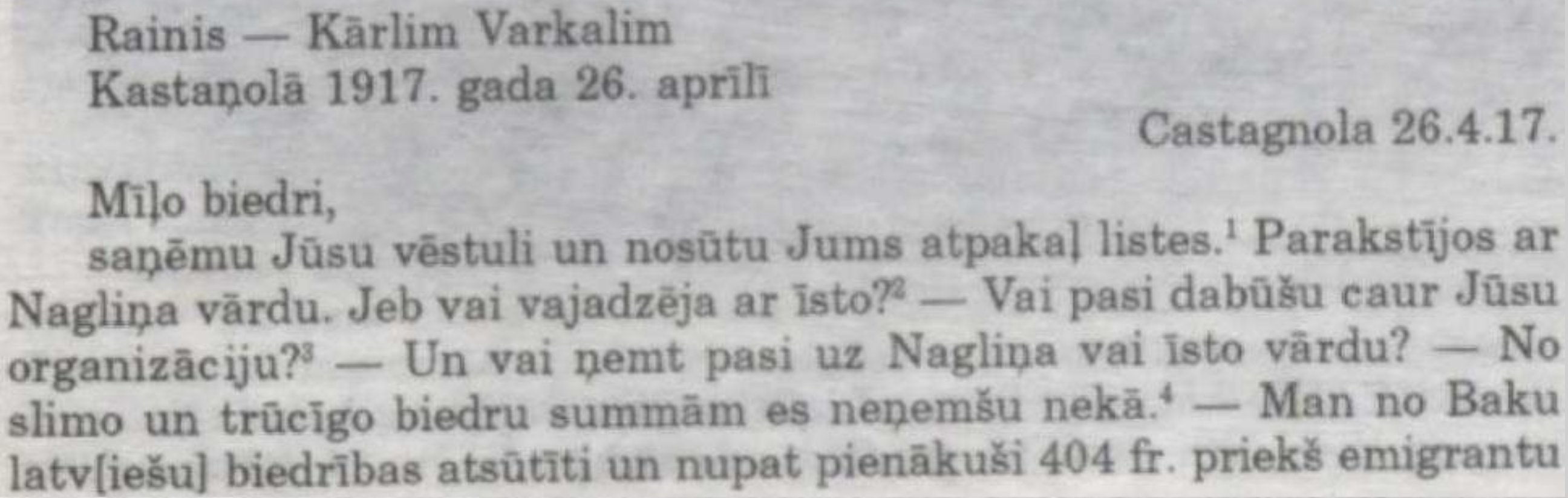
1.
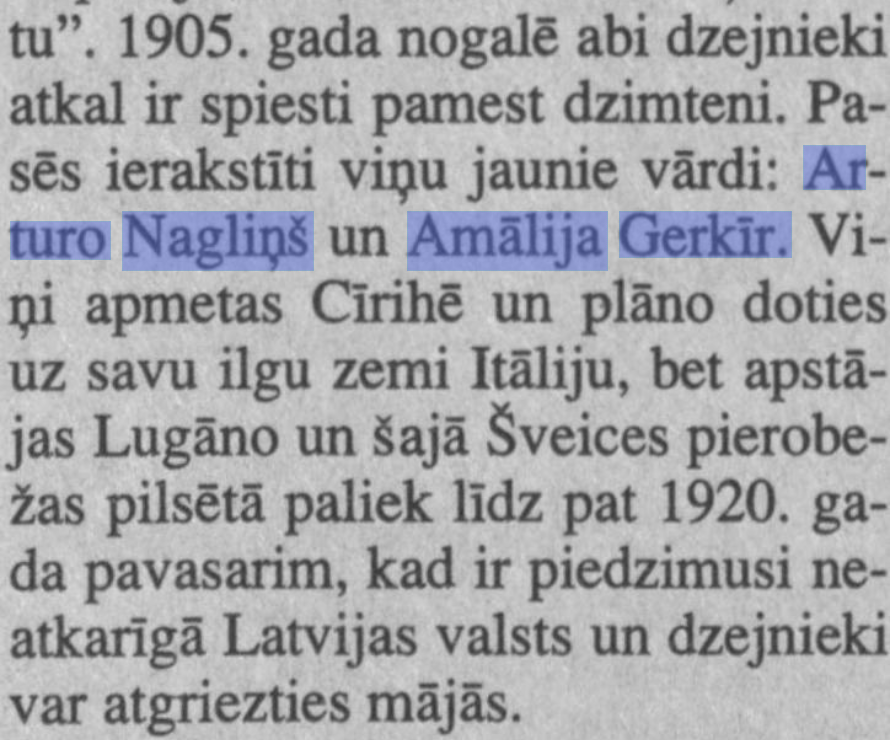
2.
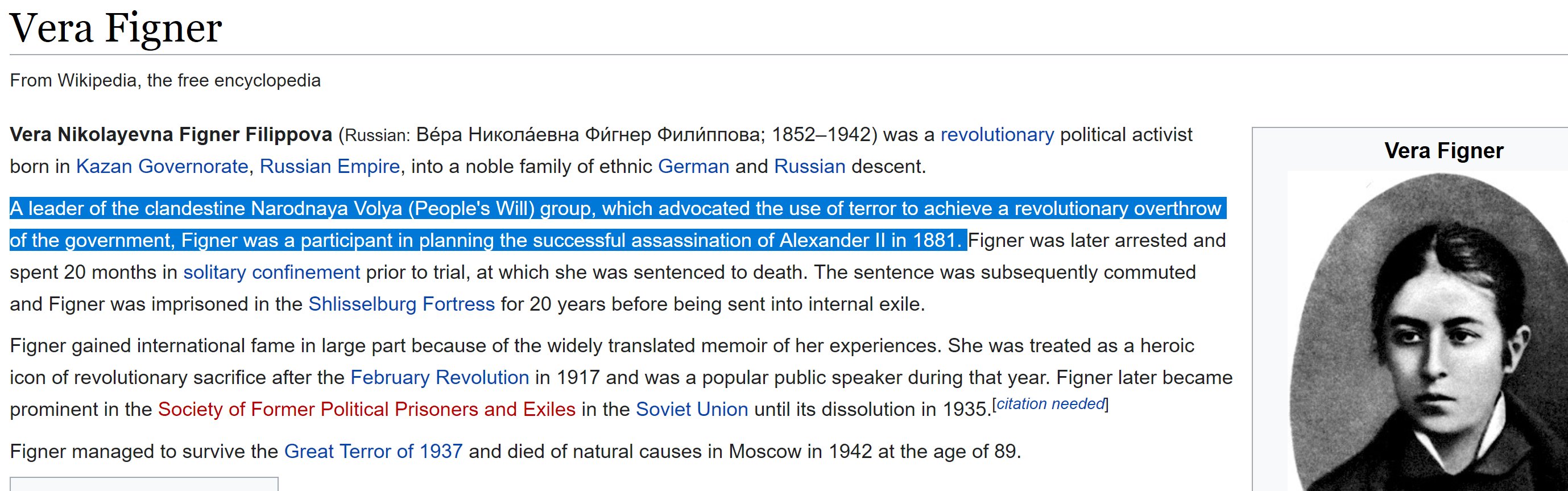
3.
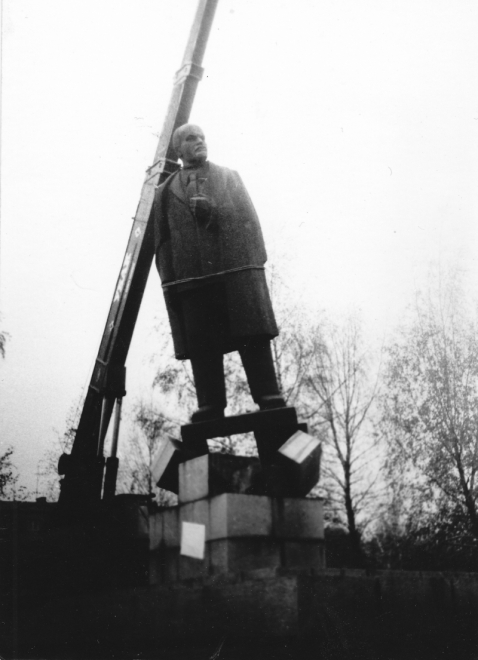
4.
Nolēmu nedaudz iedziļināties, "kur tas suns aprakts?"
https://twitter.com/AKrasevskis/sta
Nemieru laikā var mainīt varu. Nemierus grūti organizēt, ja nav iemesls, bet iemeslu var atrast.
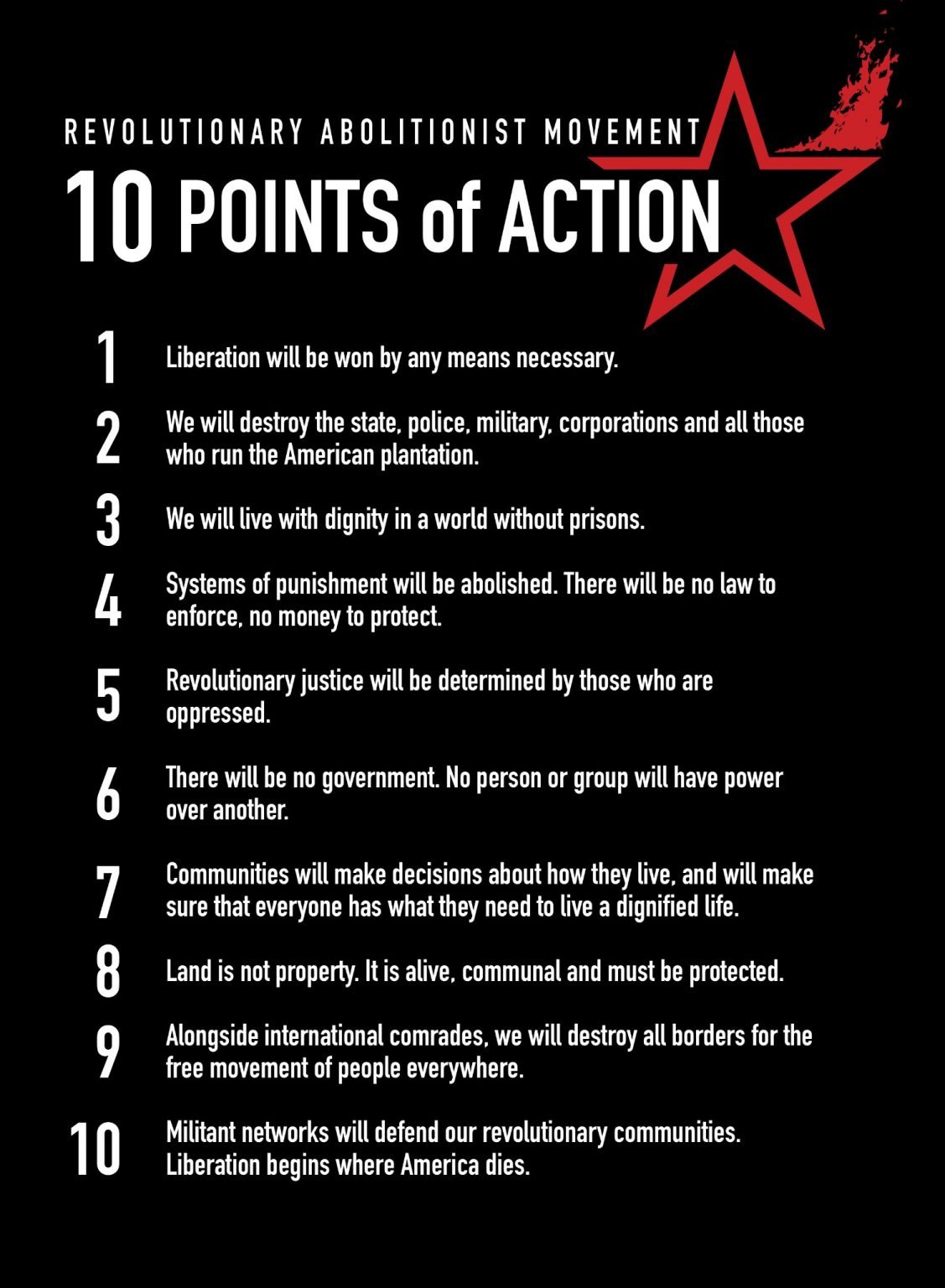
Losandželosas "Sociālisma un Atbrīvošanas" partijas nodaļa sāka protestēt pret Manuēla Žaminesa nāvi 7. maijā. Flojds nomira 25. maijā.
Partija sevi raksturo kā "revolucionāru marksistisku organizāciju". Kas notika ar Žaminesu? Te īss incidenta izklāsts:
Officer Hernandez was responding to a call about a drunken, knife-wielding man who had threatened a pregnant woman.
"The officers approached the suspect and told him in Spanish and English to put down the knife. Instead, Jamines raised the knife above his head and lunged at Officer Frank Hernandez, a 13-year veteran of the department, Beck said.
Eyewitness accounts from six civilians, nine police personnel and two fire department staff indicate Hernandez fired twice "in immediate defense of life," Beck said. Jamines, 37, died at the scene.
"This was a very brief moment in time, just 40 seconds between first contact and the time of the shooting," Beck said. "He rushed the officers with a knife so he's controlling the timeframe. Sometimes officers can't create time or distance."
https://twitter.com/SocialistRA
https://en.wikipedia.org/wiki/Socialist
Latvijā okupantu pieminekļi pazuda tikai pēc LR likumiskās varas—ministru padomes lēmuma: izslēgt šādus pieminekļus no kultūras pieminekļu saraksta. LR ministru padomes lēmumam sekoja katras pašvaldības demokrātiski ievēlēto pārstāvju—pilsētas valdes lēmumi par demontāžu. Vandālisms nav leģitīms.
Lai kaut kā tomēr iekļautos angļu kreiso studentu dzīvē, meitene atkārto tropus par marksismu un sociālismu, bet nespēj līdz galam atteikties no savas izcelsmes un ģimenes vēstures, tāpēc ir spiesta paskaidrot: "Stalin did some things wrong." Labs ieskats kreiso studentu dzīvē un uzskatos.
http://www.mangalmedia.net/english/
Silīcija ieleja itin aši ir atbildējusi uz manām raizēm, ka soc. tīklos atjaunot "tag line" un "bio" tik bieži ir apgrūtinoši:
"New App Automatically Updates Your Profiles With The Latest Virtue Signals"
The tech wizards at Capo Creative are launching a new app that will help users stay abreast of the latest trends in virtue-signaling—it's called Signlr. Algorithms within Signlr analyze virtue signal trends across the Internet and, as soon as a new one is detected, update all your social media to fit the current narrative.
https://babylonbee.com/news/new-app-syn
"The Finnish Puolustusvoimat has just released the #Battlefield 2020 short film about their vision of the present day defensive #battle against an attacker. From a hybrid incursion into all out counter attack. It has full English subtitles."
https://www.youtube.com/watch?v=bTmWCbc
Since 2015, as far back as the Washington Post’s database goes, fatal police shootings of unarmed black people has decreased by 68%.
Since 2015, the number of assailants killed that were reported to be attacking one or more of the officers has stayed relatively flat, floating between 43% and 54%.
Even though the rate at which police officers are attacked in these fatal shootings has stayed flat, the rate at which they kill unarmed black people has decreased.
https://medium.com/@cory.milliken/racia
"They speak of “deep-rooted systems of oppression; legacies of hate.” No elaboration required here? (..) No nuance or complexity? Is it obvious that “hate”—as opposed to incompetence, or fear, or cruelty, or poor training, or lack of accountability, or a brutal police culture, or panic, or malfeasance—is what we observed in Minneapolis? We are called upon to “effect change.” Change from what to what, exactly? Evidently, we’re now all charged to promote the policy agenda of the “progressive” wing of American politics. Is this what a university is supposed to be doing?
I must object. This is no reasoned ethical reflection. Rather, it is indoctrination, virtue-signaling, and the transparent currying of favor with our charges. The roster of Brown’s “leaders” who signed this manifesto in lockstep remind me of a Soviet Politburo making some party-line declaration. I can only assume that the point here is to forestall any student protests by declaring the university to be on the Right Side of History.
What I found most alarming, though, is that no voice was given to what one might have thought would be a university’s principal intellectual contribution to the national debate at this critical moment: namely, to affirm the primacy of reason over violence in calibrating our reactions to the supposed “oppression.” Equally troubling were our president’s promises to focus the university’s instructional and research resources on “fighting for social justice” around the world, without any mention of the problematic and ambiguous character of those movements which, over the past two centuries or more, have self-consciously defined themselves in just such terms—from the French and Russian Revolutions through the upheavals of the 1960s."
https://www.city-journal.org/brown-univ
"Violent Protest and the Intelligentsia"
Scholar Gary Saul Morson sees disturbing parallels between Russia before the Revolution and contemporary America.
"The similarities between this week’s riots and the Los Angeles riots of 1992 are obvious. Both were occasioned by appalling video images, and both divided the nation along partisan and ideological lines. The differences between the two events, however, are more revealing. The violence in 1992 came after a court verdict; the beating and arrest of Rodney King had happened more than a year before. This year’s riots came within days of George Floyd’s killing by Minneapolis officers. The riots of 1992 were mostly confined to poor and working-class areas of Los Angeles. This week saw mayhem all over America, and in Los Angeles, New York and elsewhere the rioters targeted wealthy streets and neighborhoods.
But perhaps the most striking difference is the rationalization, and sometimes full-throated defense, of violence from left-wing elites: the glorification of havoc, the vilification of cops and their middle-class admirers, highfalutin defenses of vandalism. The sense of revolution and class warfare was everywhere this week: the cognoscenti and underclass arrayed against the petty bourgeois shop owners; the elite and those they claim to represent against everybody else.
Gary Saul Morson says he has no special insight regarding police actions and the death of George Floyd. But he does have a provocative thesis about America’s current political moment: “To me it’s astonishingly like late 19th-, early 20th-century Russia, when basically the entire educated class felt you simply had to be against the regime or some sort of revolutionary.”
Mr. Morson, 72, is a professor of Russian literature at Northwestern University and an accomplished interpreter of Fyodor Dostoevsky, Anton Chekhov and Leo Tolstoy. Obviously we haven’t arrived at anything like what Lenin called a “revolutionary situation,” Mr. Morson says, but we have arrived at a situation in which well-intentioned liberal people often can’t bring themselves to say that lawless violence is wrong.
In late czarist Russia, some political parties and other groups—the Social Democrats, the anarchists, the Marxists—explicitly endorsed terrorism. “The liberal party—the Constitutional Democrats, they called themselves—did not condone terrorism,” Mr. Morson says. “But they refused to condemn it. And indeed they called for the release from prison of all terrorists, who were pledged to continue terrorism right away. . . . A famous line from one of the liberal leaders put it this way: ‘Condemn terrorism? That would be the moral death of the party.’ ”
The lesson seems highly relevant today. “When you’re dragged along into something you don’t really believe yourself—because otherwise you are identified with those evil people, and your primary identity is being a ‘good guy,’ not like those people—you will wind up supporting things you know to be wrong. And unless there is some moral force that will stop it, the slide will accelerate.”
Mr. Morson, ensconced in his delightfully untidy and book-laden office in Chicago as we chat on Zoom, concedes that a scholar who spends much of his time thinking and writing about Russia’s revolutionary period will tend to look for parallels between that time and our own. The parallels don’t obtain in every way.
But some of them make the analogy worth considering. One is that many of today’s revolutionaries are wildly successful and privileged. Take Colinford Mattis and Urooj Rahman, both New York lawyers in their 30s, who have been criminally charged for attempting to firebomb a police vehicle with a Molotov cocktail. Mr. Mattis was educated at Princeton and New York University, Ms. Rahman at Fordham.
Why do people at the top want to destroy the system that enabled them to get there? “No,” Mr. Morson says, “you have it wrong. When you’re such a person, you don’t feel you’re at the top. The people at the top are wealthy businesspeople, and you’re an intellectual. You think that people of ideas should be at the top.”
The word “intelligentsia,” he notes, comes from Russian. In the classic period, from about 1860 to the First Russian Revolution in 1905, “the word did not mean everybody who was educated. It meant educated people who identified with one or another of the radical movements. ‘Intelligents’ believed in atheism, revolution and either socialism or anarchism.
“The idea was that since they knew the theory, they were morally superior and they should be in charge, and that there was something fundamentally wrong with the world when ‘practical’ people were. So what you take from your education would be the ideology that would justify this kind of activity—justify it because the wrong people have the power, and you should have it. You don’t feel like you’re the establishment.”
Is American society, shaped by Protestant Christianity and dominated by a kind of dovish, humanitarian left-liberalism, ever likely to fall into the barbarity of the Russian Revolution? Aren’t we too—I fumble for a word as I formulate the question—soft for that sort of totalizing violence?
“I don’t know,” Mr. Morson answers after a long pause. “I don’t know if that means people won’t go as far as they did in Russia, or if it just means there will be less resistance to it.”
The danger begins, he thinks, when complex social and political problems can’t be debated any longer. “You get into a revolutionary situation because people can’t hear,” he says. “Can there be a dialogue on important questions, or is there only one thing to say about every question? Are people afraid to say, ‘Well, yes, but it’s not quite as simple as that’? . . . When you can’t do that, you’re heading to a one-party state or a dictatorship of some sort. If one party is always wrong and another always right, why not just have the right one?”
Mr. Morson speaks with conviction about the peril of “ideological segregation”: “It was very easy for white people to believe evil things of black people when they never met any. But when you live with somebody, you realize that they’re no worse than you are. . . . We’ve increasingly had ideological segregation on both sides. Each side has caricature views of the other.”
The assumption of historical inevitability may play a part here. You hear it in our political language: A favored policy is “an idea whose time has come,” a disfavored one is “on the wrong side of history.” This sort of teleological thinking—history has a direction, and that direction is identical with our political views—is fervently, if unconsciously, embraced by highly educated people today. It was also “one of the central arguments of late-19th-century Russian thought,” Mr. Morson says.
“Does history have a direction? And is later necessarily better? The greatest thinkers—Tolstoy, Alexander Herzen—answered no, later is not always better. They believed that sort of thinking was an importation of religious providentialism into history—the determinism of Hegel and Marx. The difficulty of this form of thinking is that it paralyzes you from acting. Between the wars, it was common for people to say: ‘Yes, you may like liberal democracy, but that’s of the past. We fascists are of the future.’ Or ‘We communists are of the future.’ People would resign themselves to the inevitable and conclude, ‘Well I can’t fight the future, I can’t resist the fascists or the communists.’ ”
I suggest that the American left is very fond of this teleological language—Barack Obama spoke in his first inaugural address of the “worn-out dogmas that for far too long have strangled our politics.” But Mr. Morson reminds me that Ronald Reagan used similar rhetoric. “Part of being a revolutionary is knowing that you don’t have to acquiesce to the tired, old ideas of the past,” he said in a 1985 speech.
Another marker of the Russian intelligentsia was the sheer contempt its members had for the peasants and workers they claimed to represent. “How many workers, how many peasants, were even in the Bolshevik Party? Very few. . . . Lenin’s whole idea was that ‘the working class, left to itself, will never develop more than a trade-union consciousness.’ That’s his famous phrase. They had to be led by the intelligentsia and completely disciplined. No matter what you say, they will do it, no matter how violent. They don’t have to understand the reasons, they’ll just do it. Because they’re the agents of history, as Marx described them. . . . That implies a contempt for the working class and a greater contempt for the peasantry.”
The supposition that America is moving toward anarchy or revolution because we’ve had a week of riots—or three years of bad faith and acrimony, or three decades of polarization—still seems hard to accept. Mr. Morson is careful not to predict the course of events. He uses the phrase “insofar as the Russian example applies” more than once.
But, he says, “we have a major depression, we have terrible fear from the illness, and now we have mass riots in the street, which our leaders do not seem to know how to handle. That’s a very rapid slide from only a year ago. And there’s no reason to think it will slow down. The slide could well continue.”
And history can unfold in unpredictable ways. Who would have guessed 20 years ago, he asks, that the First Amendment’s free-speech guarantee would become passé on the liberal left? “I used to get a laugh from students by quoting a Soviet citizen I talked to once. He said to me, ‘Of course we have freedom of speech. We just don’t allow people to lie.’ That used to get a laugh! They don’t laugh anymore.”
http://archive.is/e3ig7
https://www.youtube.com/watch?v=fUtMeMU
Man patika viens brīdis šajā lekcijā: Džekam pasprupa pieminēt t.s. "The Torch Network". Tad viņš it kā attapās, ka par to labāk nerunāt un pārgāja uz citu tematu. Šo var noskatīties kā daļu no "oppo research".
KGB CONNECTIONS
1981 ARC Identifier 54508 / Local Identifier 306.9432. A COMPREHENSIVE VIEW OF THE HISTORY, ORGANIZATION, AND RECENT OPERATIONS OF THE KGB. PRIMARY FOCUS IS ON NORTH AMERICA, BUT HAS APPLICABILITY AND INTEREST TO ANY GEOGRAPHICAL AREA. GENERATES A CONSIDERABLE DEGREE OF CREDIBILITY. LEAVES LITTLE DOUBT THAT THE MAIN OBJECTIVE OF THE SOVIET UNION WAS AND REMAINS THE CALCULATED, CONTINUING, COMPLETELY CYNICAL EXTENSION OF SOVIET POWER OVER THE ENTIRE GLOBE. U.S. Information Agency. (1982 - 10/01/1999)
https://www.youtube.com/watch?v=kqhKzD6
"In the 1950s and 1960s, the KGB distributed fake letters intended to look like racist American KKK literature, and clandestinely directed the vandalism of synagogues and Jewish headstones in New York to make neo-Nazism appear as a rising threat, the book says, citing the accounts of Soviet-bloc defectors. Yet the same agents distributed accurate information on racism in America, to antagonize the KKK’s opponents.
KGB agents “weren’t simply posing as the KKK — remarkably, the same Russian operators posed as an African-American organization agitating against the KKK,” Rid writes.
https://www.stltoday.com/entertainm
"The [recently obtained] documents contained proposals for several ways to further exacerbate racial discord in the future, including a suggestion to recruit African Americans and transport them to camps in Africa “for combat prep and training in sabotage.” Those recruits would then be sent back to America to foment violence and work to establish a pan-African state in the South, particularly in South Carolina, Georgia, Alabama, Mississippi and Louisiana."
https://www.nbcnews.com/news/world/russ

"Coming from a Caribbean family, education in my family is celebrated at every stride, regardless how minutia the feat may be. My parents have insisted on being part of every ceremony that celebrated my scholastic performance, may it be a Dean’s list reception, kindergarten mini-graduation service or my undergraduate graduation ceremony. And every chance they had to express my academic attainment to their friends and family, they would do so.
[..] She did not perceive her daughter’s academic accomplishment as an exploit, despite being among the top 10 percent of her graduating class. It was, in her mother’s eyes, the bare minimum that was expected from her. “Until I earn a post-graduate degree, I will have to content myself with a family-less graduation ceremony” she confessed.
For many westerners, such attitude toward one’s accomplishment would be perceived as callous and sadistic, at best. Yet, for Chiasoka, it is what fueled her, knowing that more is expected as the sky is far from being the limit. And every time she meets or exceeds an expectation, she would, with zeal and valor, vied the next echelon.
Though crude, this “high expectation attitude” that Nigerian parents have toward their children in everything they undertake is very much conventional in Nigerian households, and part of the rationale, explaining the success of the Nigerian-American diaspora.
Education is indeed paramount to everything in Nigerian households. So much so that there is ubiquitous aphorism within the Nigerian community which asserts that the best inheritance that a parent can give to their children is not jewelry nor any other material things, but it is a good education.
[..] Nigerian accounts for less than 1 percent of the black population in the United States, yet, they make up nearly 25 percent of all Black students at Harvard Business School.
[..] Hence why the median annual income of Nigerian diaspora household, according to the Migration Policy Institute, is about $ 52,000, slightly higher than the average $50,000 in the US. They are also more likely to be counted in the higher income brackets as 35% of Nigerian-American households earn the US $90,000 per year.
https://medium.com/@joecarleton/why-nig
#EDUCATIONMATTERS
"[Albert Camus] found himself fighting a Sisyphean battle during the 1940s. He was a man troubled by the possibility that anti-fascism could come to mirror its enemy (a charge many liberals have now levelled at Antifa)—that it could start to embrace the very same principles of domination and the overuse of violence. Following the defeat of fascism, and turning his attention to questions of post-war justice in 1945-1946, Camus claimed to be neither “victim” nor “executioner,” not an easy ethic to put into practice, yet the alternative for Camus was “murder.” As the intellectual historian George Cotkin explains: “Camus… worried about how the rebel could avoid becoming the oppressor, about whether the rebel’s critical knowledge of the problems of nihilism and revolution could allow him to act instead of becoming frozen in self-doubt and hesitancy. In the face of such existential knowledge, Camus counseled rebellion that is anchored in ‘thought that recognizes limits.’ [..] Orwell and Camus warned us that anti-fascism can curdle into something dangerous, a sort of boundless self-righteousness that eventually loses sight of itself. While battling white supremacists and fascists, it would do us good to remember the anti-fascist ethic of self-scrutiny, that fear of becoming what you are fighting.”
https://mobile.twitter.com/CattHarm
Būtu jāuzsit pendele tiem, kas ir galīgi slinki un tik izlaidušies, ka neseko "woke" statusa izmaiņām. Jūsu profila "tag line" jau sen nevar atsaukties uz #StayAtHome un #WearAMask. Tagad tur jābūt #GoOutandLoot un #RiotsBuiltThisCountry. Vai kaut kā tā.
Modern American:
"Who cares what a bunch of dead slave owners thought. We should be able to decide for ourselves what kind of laws we have, let's stop second guessing these guys that rarely even agreed with each other."
6. decembrī ar sēru dievkalpojumu Rīgas Domā pēdējā gaitā izvadīja Latvijā atjaunotās Aizsargu organizācijas komandieri Jāni Rību. Aizlūgumu noturēja prāvests Jānis Liepiņš un mācītājs Kārlis Lielzuika no ārzemēm. Gandrīz tūkstotis laužu stāvēja ciešā pulkā dievnamā ap nelaiķa zārku, par kuru liecās Aizsargu organizācijas un sarkanbaltsarkanie valsts karogi.
Aizsargu organizācijas pārstāvji no visām Latvijas malām rokās aiznesa komandiera zārku cauri visai Vecpilsētai līdz Brīvības pieminekļa pakājei. Gara, jo gara pavadītāju kolonna, sēru mūzikai skanot, vijās cauri Vecrīgas
ieliņām un saplūda lielā pulkā pie Brīvības pieminekļa. Tur viņi visi vienojās himnā „Dievs, svētī Latviju“ un pēc tam aiz katalalka autobusos devās uz Drustiem, kur ir Jāņa Rības dzimtā puse.
J. Rību nogalināja 28. novembra ar diviem šāvieniem pie Matīsa ielas 101. nama, kur atrodas aizsargu štābs. Aizsargu organizācijas par priekšnieku ievēlētais Aksels Kaimiņš sacīja, ka gan organizācijai, gan J. Rībam draudēts jau kopš organizācijas atjaunošanas 1990. gadā. J. Rības nošaušanu aizsargu vadība vērtē kā Latvijas ārējo un iekšējo ienaidnieku pasūtinātu politisku slepkavību.
"1973. gadā [Jānis Vagris] iekļauts LKP Centrālajā komitejā. 1988. gada 4. oktobrī tika paaugstināts amatā par LKP CK Pirmo sekretāru. Trīs dienas vēlāk, pirms Latvijas Tautas Frontes 1. kongresa, uzstājies tautas manifestācijā Mežaparka estrādē, sakot, ka "latviešu tautai pāri nav darījis". (..) 2010. gadā [Jāni] Vagri apbalvoja ar IV šķiras Triju Zvaigžņu ordeni. Apbalvots arī ar Oktobra revolūcijas ordeni, diviem Darba Sarkanā Karoga ordeņiem, medaļām. Saņēmis arī Latvijas PSR Nopelniem bagātā rūpniecības darbinieka goda titulu."
Par mūsu valsts drošības dienestiem (07.01.2003), Paulis Kļaviņš:
"Valsts apdraudējuma pirmā analīze, no kuras izriet valsts drošības iestāžu prioritārie darbības virzieni, jau pirms septiņiem gadiem iezīmēja iekšējos draudus un noteica attiecīgās darbības jomas. Ja rezultāti nav bijuši, tad rodas aizdomas, vai drošības dienesti nepiedalās valsts nozagšanas piesegšanā, varbūt pat nozagšanā? [..]
[D]ienesti iegūst informāciju nevis savām, bet gan izpildvaras vajadzībām. Taču slepenajiem ziņu dienestiem nepienākas izpildvaras funkcijas, kādas bija čekai. Šī ir principiāla atšķirība starp demokrātisko un totalitāro valstu sistēmām. Lai nodrošinātu, ka slepenais dienests nav «valsts valstī», arī slepeno dienestu struktūrās ir nepieciešama varas dalīšana, uz ko balstās ikvienas demokrātiskās valsts satversme. Informācija, it īpaši slepeni iegūtā, ir varas faktors. Valsts drošības iestādēm jāstrādā patstāvīgi, un viņu iegūtā informācija jāizvērtē no viņiem neatkarīgai valdības komisijai. Nav pieļaujams informācijas iegūšanas, uzkrāšanas un izvērtēšanas monopols vienas iestādes rokās, piedevām vēl valsts noslēpuma pieejamības atkarība no tās pašas institūcijas. Tā bija vecā laika struktūra."
https://www.vestnesis.lv/ta/id/6994
"VDK izmeklētājs kapteinis Andris Strautmanis, kurš 1983. gadā vadīja čekas tiesas procesus pret mūsu [Helsinki-86] pretošanās grupu, arī pret Gunāru Astru, vēlāk bija Drošības policijas priekšnieka vietnieks. Vai arī notikušais ar Pauli Kļaviņu un viņa izveidoto pirmo Drošības dienestu, kas ļoti nepatika Auseklim Pļaviņam, bijušajam Padomju Savienības Galvenās izlūkošanas pārvaldes jeb GRU pulkvedim, kurš Aizsardzības ministrijā darbojās kā vispārējās informācijas dienesta vadītājs un vēlējās turpināt GRU garā, proti, izspiegot savas valsts augstākos ierēdņus un iestādes. Kad Paulis atteicās šos rīkojumus pildīt, ieradās toreizējā aizsardzības ministra Valda Pavlovska sūtņi un uz vietas atlaida gan viņu, gan vēl 13 darbiniekus. Viena no šo «bijušo» rūpēm bija, lai valsts struktūrās nebūtu patriotisku latviešu."
http://www.aprinkis.lv/index.php/sabied
"Minēšu vēl kādu piemēru. 1946.gadā dzimušais Andris Strautmanis Latvijas neatkarības laikus sagaidīja kā VDK Izmeklēšanas daļas nodaļas priekšnieks. Nevis vienkārši čekists, bet čekistu priekšnieks. Un kas ar viņu notika tālāk? Vēlāk viņš bija LR Drošības policijas 1.galvenās pārvaldes priekšnieka vietnieks, kā arī iekšlietu ministra Mareka Segliņa padomnieks.
[..] Es te vēl gribētu pieminēt dzirdētu argumentu, ka, lūk, mēs sākām taisīt karjeras okupācijas iestādēs, piemēram, astoņdesmitajos gados, kad Staļins jau sen bija miris, kad okupācijas režīms nebija vairs tik agresīvs. Tas ir mīts par maigajiem astoņdesmitajiem gadiem. Minēšu vienkāršu faktu. 1983.gadā VDK Latvijā arestēja 24 cilvēkus, kas bija lielākais arestēto skaits kopš 1972.gada.
[..] Piemēram, ir milzīga atšķirība starp vācieti, kurš nacistu laikā vienkārši klusi mēģināja dzīvot, un vācieti, kurš centās uzkalpoties nacistu varas hierarhijā. Pēc kara Vācija ilgstoši un mokoši tomēr šīs lietas izrunāja. Citām valstīm, piemēram, Francijai, okupācijas perioda neērtie jautājumi neatbildēti palika ilgāk, tomēr galu galā tiem pieķērās.
[..] Austrumeiropā, to skaitā Latvijā, izņemot šauru vēsturnieku slāni, ar šiem jautājumiem netiek strādāts joprojām. Nodevības pret savu valsti inde turpina netraucēti darboties. " - M. Zanders
Navigate: (Previous 50 entries | Next 50 entries)