| |
[Jul. 14th, 2024|01:39 pm] |
Politeisms no monoteisma atšķiras nevis ar dievu skaitu, bet avotu. Vienā, ja tu sadirsies ar meža māti, ar vēja māti viss vēl saglabājas chill, bet otrā, ja tu uzspļausi vienam, tu būsi uzspļāvis visam, katram kokam un puķei. |
|
|
| |
[Jun. 26th, 2024|09:53 pm] |
|
Linu galdauts vai fondī komplekts, tāds ir jautājums. |
|
|
| |
[Jun. 16th, 2024|03:56 pm] |
Jēzus nāks rīt, es iestādīšu ābeli šodien.
-------------------
Wenn morgen die Welt unterginge, würde ich heute noch einen Apfelbaum pflanzen.
/Legenden um Martin Luther und andere Geschichten aus Wittenberg, Volkmar Joestel |
|
|
| |
[May. 26th, 2024|06:35 pm] |
Defining "Dagwoodism"
Dagwoodism is recognizing a problem, getting self-righteously upset about it, concluding that something must be done about it soon, but not having a clue how that might be accomplished, and feeling no responsibility for doing anything about it. |
|
|
| |
[May. 25th, 2024|06:15 pm] |
Izmazgāju aizkarus, uztaisīju labas pusdienas, nevis kaut ko ātri, pagulēju diendusu. Dzīve atkal ir laba pret mani.
----------------------------------------------------
Fridrihs Dirrenmats, satīrisko komēdiju autors, darbā "Teātra problēmas" min šādus traģēdijas pagrimuma cēloņus 20. gs.
No vienas puses, ir mazinājusies dzīvības vērtība, jo cilvēces dzīvība ir iznīcināta tik masveidīgi kā vēl nekad cilvēces vēsturē, no otras puses, 20. gs. ir zudušas tās augstākās idejas, kuras vispār varēt salīdzināt ar dzīvības vērtību. Šādu augstāko ideju, ko atdod kā mantojumu nākamajam gadsimtam it kā vairs nav. Šīs augstākās dimensijas vairs nav pašai sabiedrībai. Ja nav sabiedrībai, tad, protams, to ir grūti parādīt arī mākslā. Ir Rozenkrancu un Gildernšternu periods un Hamletu vairs nav. Ētiskais relatīvisms, pielāgošanās jebkurai situācijai ir radījusi tādus apstākļus, ka šīs augstākās ētiskās koordinātes vairs nenosaka sabiedrības dzīvi. [...]
Tas, cienījamie, ļoti daudz ko atgādina arī 21. gs. politiskajā situācijā. Kompromisu valstībā ir ļoti grūti radīt mākslā traģisko dimensiju. Mēs izlīdzamies tā, ka iestudējam senās, lielās traģēdijas, ņemam tālas senatnes cildenību un uz to skatāmies zināmā mērā kā uz tādu brīnumu, kā sapni, kas nekad nepiepildīsies.
/ Gunārs Bībers, Astoņas lekcijas par drāmu, traģēdiju un komēdiju... |
|
|
| |
[May. 14th, 2024|11:14 pm] |
Precīzākais vārda nākotne lietojums atrodams Latvijas Republikas un Svētā Krēsla līgumā (parakstīts 2000. gada novembrī).
4.nodaļa. Latvijas Universitātes katoļu Teoloģijas fakultāte
21.pants.
Katoļu Teoloģijas fakultātes atjaunošana pie Latvijas Universitātes nākotnē tiks risināta sarunās starp Latvijas Republikas valdību un Svēto Krēslu. |
|
|
| |
[May. 11th, 2024|03:29 pm] |
| [ | Fonā |
| | XXXTENTACION - Revenge | ] |
Latviskākā atziņa kādu līdz šim esmu lasījusi.
"jāatceras, ka visas kultūras, visas valodas pasaulē radušās no šķelšanās, no tā, ka kāds no radiem ir piecēlies, pagriezies un aizgājis" |
|
|
| |
[May. 10th, 2024|10:37 pm] |
Līst skaidrām lāsēm lietus un vairāk it nekā
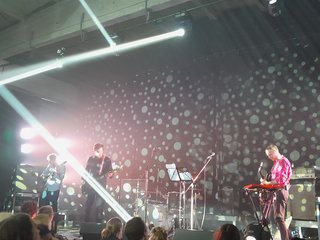
Uzdāvināju sev tuvojošamies dzimšanas dienā dāvanu. Ulvim tā sapistā mugura, kas visu padarīja vēl vairāk patiesu. Klāva vokāla ilgi vairs nebūs.
Pirmo reizi mūžā aizgāju uz konci un lēnām atskurbu nevis noreibu. A. šodien pēdējā darbadiena pēc 17 nostrādātiem gadiem. Aiz cieņas pret notikumu lēju sevī dzirkstošu šķidrumu. Personīgas dāvanas izrādās joprojām uzrunā cilvēkus. Tad varbūt viss vēl nav zaudēts. Bija jēga vakar naktī griezt un līmēt un domāt atvadtekstu, lai pasaulē mazāk vientuļi un atsvešināti.
Tagad vēl pa virsu kafiju bezmiega drebuļiem un turpinam rakstīt.
http://klab.lv/community/pajautaa/4221349.html |
|
|
| |
[Apr. 21st, 2024|10:41 pm] |
| [ | Fonā |
| | Evgeny Grinko - Jane Maryam | ] |
Jo zobens nonēsā savu apvalku,
Un dvēsele izdeldē krūtis
Un sirdij jāapstājas, lai elpotu
----------------------------------------
So, we'll go no more a roving
So late into the night,
Though the heart be still as loving,
And the moon be still as bright.
For the sword outwears its sheath,
And the soul wears out the breast,
And the heart must pause to breathe,
And love itself have rest.
Though the night was made for loving,
And the day returns too soon,
Yet we'll go no more a roving
By the light of the moon.
/Lord Byron |
|
|
| |
[Apr. 20th, 2024|07:37 pm] |
|
Ar mani šodien uz ielas vēlējās iepazīties vīrietis vārdā Aleksejs. Prikoļna vigļiģiš. Pēc manas atbildes pārgāja uz latviešu valodu un teica, ka visiem tā esot jāzina. Tam es nevarēju nepiekrist. Aleksejam šodien bija bēda, ka izpircis savu telefonu no lombarda, bet nevarot atcerēties pin kodu. Es viņu mierināju, ka gan jau atcerēsies. Divus krustojumus vēlāk, noskaidrojis manu attiecību statusu, draudzīgi atvadījās. |
|
|
| |
[Apr. 18th, 2024|11:29 pm] |
To My Duties
While I’ve been doing my job
stone by stone, quill by quill,
winter has passed, leaving
empty places
and dead rooms.
I work on all the same.
I really should replace
all those things I’ve forgotten,
fill the darkness with bread,
inspire hope again.
The dust of the season,
its harsh rain, are all I deserve:
for myself I claim nothing more than all space
and the right to work there, bearing witness to spring.
I must have something for everybody
day by day and week by week, gifts of the blue variety
or cool blossoms from the woods.
First thing in the morning, I’m going strong
while others have sunk
into sloth or lovemaking.
I’m sweeping out my bell tower,
polishing my tools and my heart.
I have enough dew to go around.
/Pablo Neruda from: ODES TO OPPOSITES |
|
|
| |
[Apr. 17th, 2024|02:50 pm] |
|
"Dezinformācijas teorijā to sauc par akcentu pārlikšanu. Nevis būtiskais prevalē pār nebūtisko, bet gan ar akcentu pārlikšanu autori padara nebūtisko par būtisko." |
|
|
| |
[Apr. 16th, 2024|08:24 am] |
|
Es sapratu. Latviešu valoda ir mūsu Praids. |
|
|
| |
[Apr. 15th, 2024|10:41 pm] |
|
Šodien pirmā diena, kad stresa līmenis tik augsts, ka nevienu brīdi neprasījās paslinkot. Žēl tikai, ka mans organisms parasti uz to reaģē ar saslimšanu. Rīt jāmēģina nedaudz ilgāk pagulēt. |
|
|
| |
[Apr. 11th, 2024|10:26 am] |
Vakardiena bija traki jauka. Tik no rīta pamodos ar domu, eh, cik labi būtu, ja vilibalža gatavoto pastēti varētu dabūt arī brokastīs.
Mierinājumam - kihelkonnas slavas dziesma holesterīnam. Non, je ne regrette rien. |
|
|
| |
[Apr. 1st, 2024|09:23 pm] |
skat, veseli divi cibiņi augšāmdzēsušies. es te tikmēr kļūstu arvien apcerīgāka bez apstājas rakstot jau trešo dienu. vienā brīdī varētu atjēgties no tā, ka esmu pazaudējusi savu ķermeni un vairs neatceros, kur noliku. varbūt kādā plauktā, lai neapput, hmm.
jūtu cik man ļoti patīk tieši viņi. viņi, kuri nav labākie, varētu pat apgalvot, ka šausmīgas viduvējības. labos laikos viņus neviens nepamanītu. bet laiki nebija labi. pēdējais nepiemērotais bastions, tukšuma aizpildītāji, kuri toties negrasās padoties. nepavisam nav grūti ar viņiem asociēties. tā droši vien ir kāda slimības forma, aprakstīt un mīlēt svešus. mirušus.
ha, ja tā padomā, cibā notiek tas pats process. un tad kāds pilnīgs dīvainis varētu nākt un rakt teiksim posmu no 2020-2025. Visi saka, nē, nē, tu ko, meklē ap 2007, bet viņš tikai smejas un citē juvenālu.
ņem, ņem! visu kas man ir, ņem papirosus, visu, tikai nešauj. |
|
|
| |
[Mar. 31st, 2024|11:36 am] |
"Atnāca arī Nikodēms, kas jau kādreiz naktī bija nācis pie viņa, un atnesa maisījumu no mirrēm un alvejas; kādas simts mārciņas."
100 romiešu mārciņas ir 33 kg.
-----------------------------------------------------------
Through that pure virgin shrine,
That sacred veil drawn o’er Thy glorious noon,
That men might look and live, as glowworms shine,
And face the moon,
Wise Nicodemus saw such light
As made him know his God by night.
Most blest believer he!
Who in that land of darkness and blind eyes
Thy long-expected healing wings could see,
When Thou didst rise!
And, what can never more be done,
Did at midnight speak with the Sun!
O who will tell me where
He found Thee at that dead and silent hour?
What hallowed solitary ground did bear
So rare a flower,
Within whose sacred leaves did lie
The fulness of the Deity?
No mercy-seat of gold,
No dead and dusty cherub, nor carved stone,
But His own living works did my Lord hold
And lodge alone;
Where trees and herbs did watch and peep
And wonder, while the Jews did sleep.
Dear night! this world’s defeat;
The stop to busy fools; care’s check and curb;
The day of spirits; my soul’s calm retreat
Which none disturb!
Christ’s progress, and His prayer time;
The hours to which high heaven doth chime;
God’s silent, searching flight;
When my Lord’s head is filled with dew, and all
His locks are wet with the clear drops of night;
His still, soft call;
His knocking time; the soul’s dumb watch,
When spirits their fair kindred catch.
Were all my loud, evil days
Calm and unhaunted as is thy dark tent,
Whose peace but by some angel’s wing or voice
Is seldom rent,
Then I in heaven all the long year
Would keep, and never wander here.
But living where the sun
Doth all things wake, and where all mix and tire
Themselves and others, I consent and run
To every mire,
And by this world’s ill-guiding light,
Err more than I can do by night.
There is in God, some say,
A deep but dazzling darkness, as men here
Say it is late and dusky, because they
See not all clear.
O for that night! where I in Him
Might live invisible and dim!
/The Night by Henry Vaughan |
|
|
| |
[Mar. 21st, 2024|09:25 am] |
Aleksandra Bites tulkojumā iznācis vēl viens pirmkristīgais teksts "Romas Klēmenta vēstule korintiešiem." Tulkotājs izvirza hipotēzi, ka autors tas pats, kurš vēstulei ebrejiem. Par to nezinu, bet teksts skaisti iztulkots. Rindas no Ījaba vai slavenais mīlestības raksturojums 1. korintiešiem 13 uzrādās it kā pirmoreiz. Iesaku.
"dzīvība nemirstībā, spožums taisnībā, patiesība atklātībā, ticība uzticībā, atturība svētumā" |
|
|
| |
[Mar. 11th, 2024|10:00 pm] |
|
Valodu spēles. Partija Jaunā Aploksne un Vatņikāns. |
|
|
| |
[Mar. 9th, 2024|06:12 pm] |
"Šī retorika, kā zināms, atkārtoti tikusi pielietota arī cilvēciskajā jomā. No Flobēra, Bodlēra un Dostojevska, caur Kirkegoru un Nīči, līdz Batajam, Fuko un Delēzam - Eiropas doma par cilvēka manifestāciju atzinusi daudz ko no tā, kas iepriekš ticis uzskatīts par ļaunumu, nežēlību un necilvēcību. Tāpat kā gadījumā ar mākslu, šie un daudzi citi autori par cilvēcisko atzinuši ne vien to, kas parādās kā cilvēcisks, bet arī to, kas parādās kā necilvēcisks, un tieši tādēļ, ka tas parāda sevi kā necilvēcisku. Viņiem bija svarīgi nevis inkorporēt, integrēt vai asimilēt citādo savā pasaulē, bet, tieši otrādi, ieiet citādajā un kļūt par citādo savā tradīcijā. Manuprāt, nav īpaši jāpierāda, ka šie autori, tāpat kā neskaitāmi citi Eiropas tradīcijā, nav tik viegli integrējami cilvēktiesību un demokrātijas diskursā. Tomēr viņi, varbūt pat vairāk nekā citi tieši šī iemesla dēļ pieder Eiropas tradīcijai, jo manifestē iekšējo solidaritāti ar citādo, ar svešo, pat ar draudīgo un nežēlīgo, kas mājo daudz dziļāk un ved mūs vēl tālāk nekā vienkāršs tolerances jēdziens. Visi šie autori mēģinājuši pašā Eiropas kultūrā noteikt spēkus, impulsus un dziņas, kas citādi ir teritorializētas citās zemēs. Tā nu šie autori parādījuši, ka pati unikālākā eiropeisko kultūru īpašība ir permanenta sevis padarīšana par citādo, noliedzot, pazaudējot un noraidot citam citu, turklāt radikālāk nekā jebkad būtu bijusi spējīga jebkura cita mums zināma kultūra. Eiropas vēsture nav nekas cits kā kultūras lūzumu vēsture, atkārtota pašu tradīciju noraidīšana."
/ Boriss Groiss, Eiropa un tās citādie |
|
|