August 2015
| |
|
|
|
|
|
1 |
| 2 |
3 |
4 |
5 |
6 |
7 |
8 |
| 9 |
10 |
11 |
12 |
13 |
14 |
15 |
| 16 |
17 |
18 |
19 |
20 |
21 |
22 |
| 23 |
24 |
25 |
26 |
27 |
28 |
29 |
| 30 |
31 |
|
11/13/11 08:24 pm
The Poetics of Dying
The first and fullest source is the Iliad, the poem of death: 318 heroes, 243 of them named, get killed.
But the very abundance of heroic corpses is a problem. The warrior's death was special in Greek literature, and we have to distinguish between the death of the hero and the deaths of ordinary folk. Looking at the Song of Roland, Aries saw a contradiction: death in bed in peaceful old age and violent death in battle were both Good Deaths. He suggested a functional explanation - "in a society founded on chivalric and military ideals, the stigma attached to sudden death was not extended to the noble victims of war." We find a similar "double good death" in Homer, but its structure is more complex. I will try to bring this out with a few examples.
In Iliad Book 22, Hector is waiting outside the walls of Troy. Priam calls down to him to come back inside, for Achilles will surely kill him. In this moment of crisis, Hector should think not of his own death, but of his father's:
For a young man all things are seemly,
if he falls in battle, lying dead, pierced by the sharp bronze;
yes, all things are beautiful for the dead man, whatever happens;
but when the dogs defile the grey hair, grey beard,
and genitals of an old man who has been killed,
this is the most miserable thing for wretched mortals.
The contrast is strong. Violent death makes Hector beautiful, but it degrades and defiles Priam. Death fixes the hero in his youthful bloom, and fixes his glory (κλέος). His αριστεία will be remembered for generations to come, when they sing of the fames of men. The hero killed in battle lives on through epic and his well-marked tomb. Hades is a dismal place far worse than any life, but death is inevitable, and it is this rather than earthly honors that drives the hero to em brace his doom. Here is the essential tension of the heroic condition-the very awfulness of Hades drives him to death in battle as the only way to survive. Through the Good Death in battle, the hero beats fate and becomes almost immortal by doing just what the immortals never do - dying. Homer calls the doomed or dead hero "godlike," at once heightening the audience's awareness of the hero's victory in death, the frailty of humanity, and the gulf that finally separates us from the gods.
(c) Ian Morris, "Attitudes Toward Death in Archaic Greece", Classical Antiquity, Vol. 8, No. 2 (Oct., 1989), pp. 296-320
11/13/11 08:24 pm

Ahilejs vazā pa zemi nogalinātā Hektora ķermeni
Godlike Hector is mutilated and dragged round the walls behind Achilles' char iot. Thus he wins his κλέος (glory): "If the hero were really god-like, if he were exempt, as the gods are, from age and death, then he would not be a hero at all."
(c) Ian Morris, "Attitudes Toward Death in Archaic Greece", Classical Antiquity, Vol. 8, No. 2 (Oct., 1989), pp. 296-320
11/11/11 09:37 am
Tā mira Freids - viens no prominentākajiem eitanāzijas gadījumiem
DEATH
An exile in London, by 1939 Freud was gravely ill. The ulcerated wound in his mouth smelled so fetid that his beloved chow Jo-Fi would cringe from him and refuse to come near its master. Tortured by constant pain, exhausted, and barely able to eat, Freud suffered greatly in these last days. The nights were especially hard, and ever needing to remain in control, he refused sedation. But he could still read. How fitting that his last book would be a metaphor for his shrinking time and his withering skin - Balzac’s mysterious tale of the magical shrinking skin, La Peau de Chagrin. Freud spent the last days in his study downstairs looking out at the garden.
On September 21, Freud could endure no more. As Max Schur, Freud’s personal physician from 1928 to 1939, sat by his bedside, Freud took his hand and said to him, “Schur, you remember our ‘contract’ not to leave me in the lurch when the time had come. Now it is nothing but torture and makes no sense.” Holding Freud’s hand, Schur nodded. Freud sighed with relief and, holding Schur’s hand, said, “I thank you.” He hesitated slightly, then added, “Talk it over with Anna, and if she thinks it’s right, then make an end of it.” His daughter, Anna, wanted to wait, but Schur convinced her that it was time.
On September 21, Schur injected Freud with enough morphine for Freud to sink into a peaceful sleep. The next day, he administered the final injection. Freud lapsed into a coma and died at three in the morning, September 23, 1939, weeks after the onset of World War II.
(c) Heller, S. (2005) "Freud: A to Z", Wiley & Sons, pp. 66-67
11/5/11 10:53 am
Nāvi studijā!
Brīnos, ka te neviens nav iemetis linku uz A.Rožukalnes Baudiet populāro rubriku „Nāve”!
Current Mood: videodrome
11/1/11 10:07 pm
Pēdējie vārdi nozog ticamības momentu
Par pirmsnāves vārdiem seriālā "House MD" lieliski piezīmējis ![[info]](http://klab.lv/img/userinfo.gif) sirdna: sirdna:
"Dr.Hausa sērija, kārtējais epizodiskais varonis aiziet pie tēviem.
Kamōn, vismaz dažādības pēc kāds mirējs varētu teikt oušit, oufak, oumaķperemaķ!!!!
Nē. Viņi piesauc Tēviju, Mātiju, mūžīgu mīlestību kaut kādiem radiniekiem, vēl kaut ko asprātīgu un daudznozīmīgu pasaka, izplatās par savu sadirsto un velto dzīvi, bezmaz haikas lasa, aizgājēji atradušies..."
10/26/11 01:37 pm
27/72
Daudzi ir dzirdējuši par bēdīgi slaveno rokenrola nāvi 27 gadu vecumā (Morisons, Džoplina, Hendrikss, Vainhausa, ir kāds vēl?), bet man salikās interesanti, kad pamanīju, ka 72-os toties miruši vismaz trīs garīgi jaudīgi vīri uz burta K — Kastaņeda, Kraulijs un... Konfūcijs :(
Current Mood: KKK
Current Music: King Crimson
10/26/11 01:34 pm
Kadafi nāve un demokrātija
Kā teiktu jenķi - mūsu tēvi ir lējuši asinis, lai izcīnītu mums demokrātiju. Vai pa franciskam - Liberté, égalité, fraternité, ou la mort.
Par barbariem, austrumniekiem, un civilizēto kristīgo Eiropu - http://www.diena.lv/latvija/politika/banditi-un-demokratija-13911366
10/25/11 10:07 pm
un kur biji tu?
Vai jūs pievēršat uzmanību tam, ko darījāt, kur bijāt, kad uzzinājāt par kādu slavenu cilvēku nāvi?
Kenedija nāvi piedzīvojušie droši vien nav cibā, bet, piemēram:
* Airtons Senna - 1994. gada 1. maijā, biju pie vecvecākiem, skatījos sacīkstes pa TV;
* Princese Diāna - 1997. gada 31. augustā, neko daudz neatceros;
* 2001. gada 11. septembris* - biju kojās, un, kad uzzināju par pirmajiem jaunumiem, gājām skatīties TV tiešraidi vienā no dažiem pieejamajiem televizoriem augstskolas foajē;
* Maikls Džeksons - 2009. gada 25. jūnijā, biju savās mājās, neatceros, kā pats to uzzināju, bet atceros, ka gāju modināt otro pusi, lai šo ziņu pavēstītu;
* Lehs Kačinskis - 2010. gada 10. aprīlī, ciemojos pie saviem vecākiem;
* Kārlis Skrastiņš - 2011. gada 7. septembrī, atceros tikai tik daudz, ka tā bija darbadiena, es biju iegrimis darbos un īpašu uzmanību šai ziņai nepievērsu, pat kad kolēģi "apstādināja virpu", lai to pavēstītu.
Kādas "slavenas" nāves vēl jūs atceraties?
* No vienas puses, šķiet, šis "atgadījums" neiederas sarakstā ar slavenu cilvēku nāvi, bet, no otras puses, atmiņā paliek ar attāli līdzīgām emocijām.
10/24/11 11:17 pm
Sveicieni no 15. gadsimta
Slavenā "Ars Moriendi" otro, ilustrēto versiju ir iespējams digitāli pašķirtsīt šeit.
Īss komentārs:
By 1400 the Christian tradition had well-established beliefs and practices concerning death, dying, and the afterlife. The Ars Moriendi packaged many of these into a new, concise format. In particular, it expanded the rite for priests visiting the sick into a manual for both clergy and laypeople. Disease, war, and changes in theology and Church policies formed the background for this new work. The Black Death had devastated Europe in the previous century, and its recurrences along with other diseases continued to cut life short. Wars and violence added to the death toll. The Hundred Years' War (1337–1453) between France and England was the era's largest conflict, but its violence and political instability mirrored many local conflicts. The fragility of life under these conditions coincided with a theological shift noted by the historian Philippe Ariès whereas the early Middle Ages emphasized humanity's collective judgment at the end of time, by the fifteenth century attention focused on individual judgment immediately after death. One's own death and judgment thus became urgent issues that required preparation.
To meet this need, the Ars Moriendi emerged as part of the Church authorities' program for educating priests and laypeople. In the fourteenth century catechisms began to appear, and handbooks were drafted to prepare priests for parish work, including ministry to the dying. The Council of Constance (1414–1418) provided the occasion for the Ars Moriendi's composition. Jean Gerson, chancellor of the University of Paris, brought to the council his brief essay, De arte moriendi. This work became the basis for the anonymous Ars Moriendi treatise that soon appeared, perhaps at the council itself. From Constance, the established networks of the Dominicans and Franciscans assured that the new work spread quickly throughout Europe.
( ... tālāk ... )
10/24/11 02:35 pm
Simoncelli r.i.p. 28.10.2011

10/24/11 08:57 am
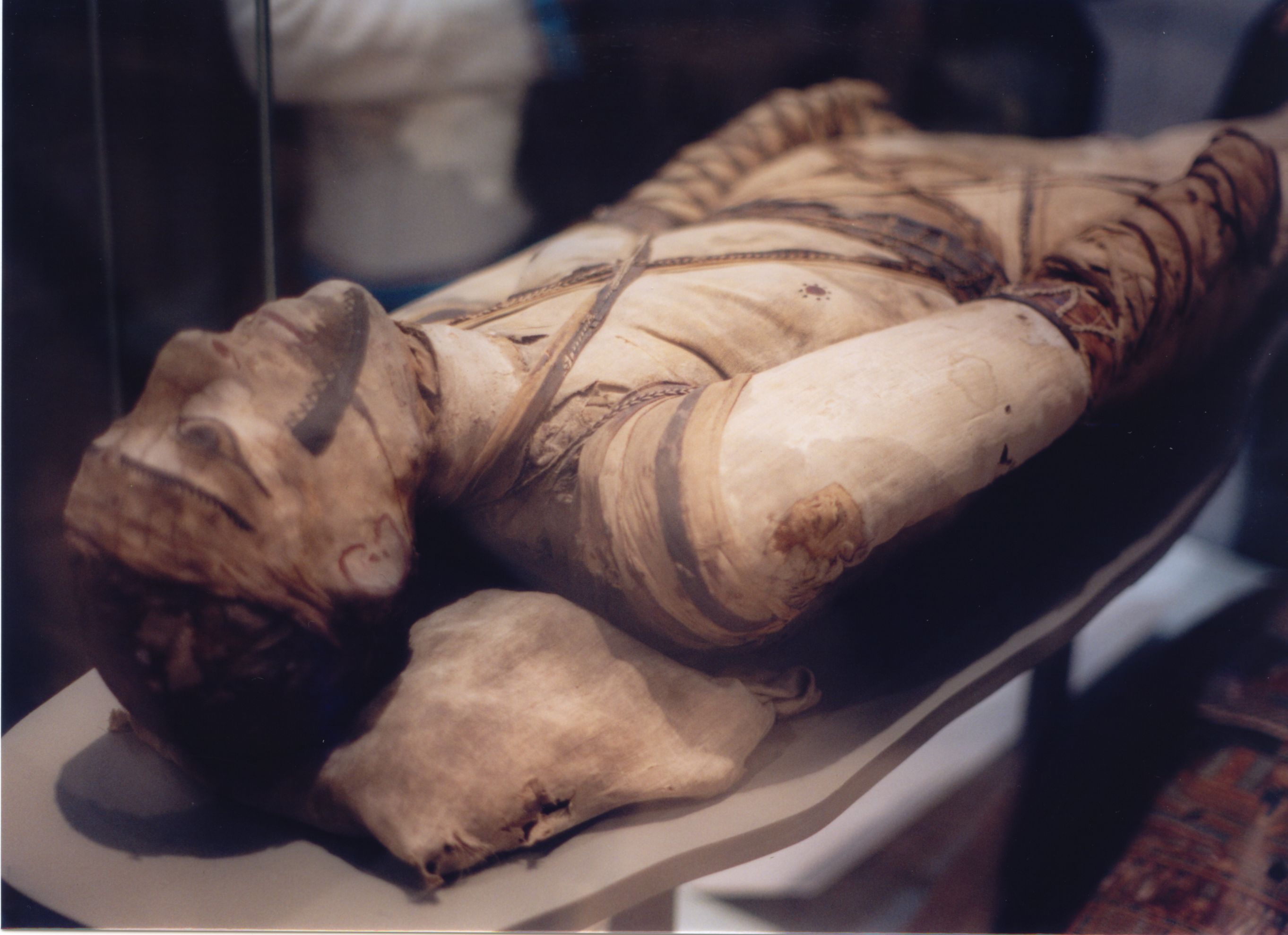
Vladimirs "Ļeņins" Uļjanovs vs mūmija iekš Britu muzeja.
10/24/11 08:01 am
"varonis" un "antivaronis"
 
Žurnāla «Time» 100. numurā (1999.) Ariēls Dorfmans rakstīja, ka Če
Gevaras neskaidrie nāves apstākļi tikai pastiprināja viņa pielūgšanu.
Komentējot fotogrāfa Fredija Albortas leģendāro Če Gevaras pēcnāves
fotogrāfiju, kas visai pasaulei kalpoja kā pierādījums, ka revolucionārs
ir miris, A. Dorfmans rakstīja: «Kristum līdzīgais augums gulēja gultā
miris, taču spocīgā izskata acis lika domāt, ka tās tūdaļ atvērsies; šie
bezbailīgie pēdējie vārdi («Šauj, gļēvuli, tu nogalināsi tikai
cilvēku!»), ko kāds izdomāja vai arī dzirdēja; anonīmā apglabāšana un
izlauztās rokas, it kā nogalinātāji vairāk baidītos no miruša nekā
dzīva: tas viss iededzinājās to neaicinošo laiku apziņā un atmiņā. «Viņš
augšāmcelsies!» kliedza jauni cilvēki 1960. gadu beigās; es atceros
dedzīgos saukļus Čīlē, Santjago ielās, kuriem līdzīgi saucieni
eksplodēja visā Latīņamerikā.»
(c) Wikipedia
"Mēs paziņojam pasaulei, ka Kadafi ir miris revolūcijas gūstā. Tas ir
vēsturisks brīdis. Tas ir tirānijas un diktatūras gals. Kadafi ir
sagaidījis savu likteni," paziņoja Pagaidu pārejas nacionālās padomes
preses sekretārs Abdels Hafezs Goga valsts austrumu pilsētā Bengazi.
(c) Diena
|
