11:28
Diez kāda melnā maģija turpina reanimēt Donalda dzīvo līķi.
(ir doma)
Karalisko apvienoto spēku institūta (RUSI) lapā publicēta precīza krieva "organiskā pāķisma" militārās priekšrocības analīze attiecībā pret NATO "profesionālo"/uz augsto tehniku fokusēto armiju. Info palīdzēs tiem, kuri vēlas saprast, kā atšķiras NATO un Krievijas militārais potenciāls. Galvenais punkts - krieva nenovērtētā pašrestaurācijas tēma, kas proponē, ka viņi vēsturiski ir izkopuši "hardy and tardy" kultūru, tādējādi spēdami būt funkcionāli pat tad, kad rietumu komandierim varbūt šķitīs, ka haimarsiki piebeiguši visu kaujas grupu. Tas tā, hipotētiskais scenārijs, kur kaujas lauks stiepjas simtiem kilometru, ir vairākas uzbrukuma un aizsardzības avēnijas un armijas nespēj pienācīgi izlūkot kaujas lauku, lai efektīvi piebeigtu ievainotu kaujas grupu. Mūsdienu dronu kaujas laiks principā iznīcina šo "kaujas haosa uzbūvētais plīvurs". Komandieris 70km aiz kaujas lauk bunkurā niansēti var piezūmot ienaidnieka kājinieka sejas vaibstus, lai mentāli iespļautu viņam sejā. Un digitalizācija-robotizācija-dronifikācij
"The future contest may be disruption tempo vs. restoration tempo - NATO must create and exploit cascading failures faster than Russia can rebuild essential functions; Russia’s goal is to make destruction temporary and therefore less operationally decisive." - https://www.rusi.org/explore-our-resear
Pievienojos galvenajam secinājumam. Krieva spējas būt "good enough" esot degradētiem, nozīmē to, ka bandinieki, zirdziņi un laidņi nevar tikt mainīti 1:1. NATO jāturpina spiest uz tech edge un kara lauka kopbildes real-time analīzi (šeit palīdzēs jaunās AI battlefield menedžmenta sistēmas, ko 1.x praksē plaši testēja ASV veiktajā Venecuēlas dekapitācijā), kas teorētiski ļaus apzināt, analizēt, visefektīvāk izmantot un tādējādi kāpināt letālo seku potenciālu. Un tad izmantojot šo priekšrocību, cīnīties ar "asimetrisko" krievu tā.
Ai aģenti izbēguši, un ko jums tagad dos jūsu tieksme pēc skaidrības izteikumos, tikai un vienīgi bezgalīgas nozīmes.
Skaties, kā es iznīcināšu savas sabieroto grupas jēgu ar šo enciklopēdisko kopsavilkumu par viņiem (paldies, ģeneratīvais intelekt; info pārbaudīts ar 2 citiem intelektiem - cilvēka un vēl vienu ģeneratīvo):
Active from 1957 to 1972, the Situationist International (SI) (Internationale Situationniste) was an avant-garde alliance of European revolutionaries, artists, and theorists led by French philosopher Guy Debord. They argued that modern Western society had been transformed into a passive, media-saturated spectacle.
In his landmark 1967 book The Society of the Spectacle, Debord argued that modern capitalism had shifted human experience from being into having, and ultimately into appearing.
Passive Consumption: Authentic social life was replaced by an endless stream of representations - TV, Hollywood film, advertising, and corporate propaganda. Individuals became passive spectators rather than active participants in their own lives.
Recuperation (Récupération): The SI warned that capitalist culture constantly neutralizes radical subversion by absorbing it and turning it into a marketable commodity.
To shatter this media trance, the Situationists created détournement (French for "rerouting," "hijacking," or "misappropriation"). Defined by Debord and Gil J Wolman in 1956, it operates on a simple principle: it is cheaper and more effective to turn the enemy's weapons against them than to forge your own.
Détournement takes pre-existing media artifacts - corporate ads, comic strips, political posters - and alters them slightly to expose their hidden ideology. For a détournement to succeed:
Loss of original meaning: The source material must lose its intended promotional or authoritative power.
Creation of new meaning: The altered piece reveals the systemic contradictions or absurdity behind the original image.
The group practiced minor détournement (altering minor elements like comic panels) and deceptive détournement (re-contextualizing major works of art or iconic films).
Along with détournement, the Situationists introduced other experimental methods to disrupt consumer routine:
Dérive (The Drift): Unplanned walks through urban environments, letting the spatial layout and emotional contours of the city dictate movement rather than commercial destinations.
Psychogeography: Studying how specific urban architecture consciously or unconsciously shapes human behavior and feelings.
Constructed Situations: Designing temporary, real-life moments that forced active participation and snapped people out of automated daily routines.
The SI reached its political peak during the May 1968 uprisings in France, where their slogans ("Never Work," "Under the Paving Stones, the Beach!") were spray-painted across Paris. Their tactics trickled down through decades of counterculture:
1970s Punk: Artist Jamie Reid defaced official portraits of Queen Elizabeth II with safety pins and ransom lettering for the Sex Pistols.
Culture Jamming & Subvertising: Groups like Adbusters redesign corporate logos - turning billboard ads into anti-consumerist messages.
Internet Memes & Vaporwave: Modern "shitposting" hijacks mass-media IP to express existential dread, while Vaporwave pitch-shifts corporate elevator music into late-capitalist satire.
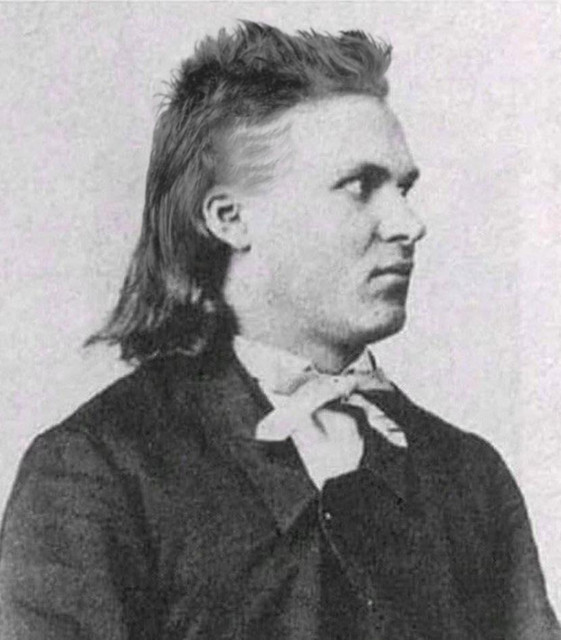 (WOW SO UBER)
Video, kā tiek novākti duriāni. Tikpat labi tā varētu tikt novāktas cilvēku dvēseles.
Navigate: (Previous 20 Friends | Next 20 Friends)