[Most Recent Entries] [Calendar View] [Friends]
Below are 20 journal entries, after skipping by the 280 most recent ones recorded in
Boing Boing's LiveJournal:
| Monday, March 25th, 2013 | |||
| 10:45 am | Why government-funded duck penis research is a good thing Apparently, some segments of the media are just catching up to The Great Duck Penis Meme of 2007 and the video-enhanced version from 2009. If you've somehow managed to erase this from your memory (and lucky you), it turns out that duck penises are pretty freaky looking and can teach us a lot about how evolution works. Like a lot of basic research — the stuff that isn't directly about creating new products — duck penis studies have been funded by federal science grants. And this has put science writer Carl Zimmer in the awkward position of sticking up for duck erections. In a great piece at The Loom, he explains why silly-sounding research matters and why duck penises are not a waste of your tax dollars. 
| ||
| 10:53 am | Watch all six Star Wars movies at once In the interest of time, you can view all six Star Wars films at once. (via Dangerous Minds)
| ||
| 9:09 am | Jimi Hendrix on a gayageum Luna Lee performs Jimi Hendrix's "Voodoo Chile" on a gayageum, a "traditional Korean zither-like string instrument" (Wikipedia). She freaking nails it. There's lots more if that strikes your fancy.
Voodoo Chile-Jimi Hendrix / Gayageum ver. by Luna
(via Reddit)
| ||
| 9:10 am | The sinking of the Veggietanic, and an Octopus Googly-Eye Banana  "Veggietanic, a photo shared in the BB Flickr Pool by BB reader Domenic Bahmann (instagram, Twitter, Tumblr). Oh, hey, and he's selling an "Octopus Banana" print. Just look at it.
| ||
| 9:43 am | Disease superspreaders and the new coronavirus Coronavirus — characterized by the halo of protein spikes that surround each individual virus particle — is the family that gave birth to SARS. Today, there's a new coronavirus stalking humans, especially in the Middle East. Scientists have documented 16 infections, and 10 fatalities. The good news is that there are probably lots of non-serious infections that aren't being reported, meaning the fatality rate probably isn't as high as it looks. Also, this coronavirus seems to have trouble spreading from person to person. But, in regards to that last factor, it's important to pay attention to a detail from the SARS outbreak that we still don't totally understand. Turns out, a handful of people were responsible for most of those infections. The Canadian Press' Helen Branswell writes about superspreaders and the scientists trying to understand how individuals can alter the course of an outbreak. (BTW: If you don't follow Helen Branswell on Twitter, you're missing some of the best infectious disease reporting out there.) 
| ||
| 9:55 am | How to: Demolish a truss bridge Like the people cheering at about :25 into this video, I'm a sucker for dramatic explosions. This one comes from Texas, where the transportation department blew up an old bridge in the city of Marble Falls on March 17th. Also, apparently, it's warm enough in Texas that multiple gentlemen could watch a bridge explode from the comfort of their jet skis. 
| ||
| 8:42 am | Around the World in 80 Cakes Cakewrecks has a fun photo gallery of cakes inspired by Jules Verne's "Around the World in 80 Days." | ||
| 8:34 am | Generative music apps 
At our sponsor Intel's LifeScoop site, I posted about "Music That Writes Itself": In ambient music pioneer Brian Eno’s 1996 book A Year with Swollen Appendices, the composer wrote, “I really think it is possible that our grandchildren will look at us in wonder and say: ‘you mean you used to listen to exactly the same thing over and over again?’” Eno was talking about generative music, a process by which a computer creates unique works from fixed parameters set by the artist. In its simplest form, you twist a few knobs (virtual or otherwise) and the computer takes it from there, creating music that can be credited to the system itself. The term generative art is most likely derived from “generative grammar,” a linguistic theory Noam Chomsky first proposed in his book Syntactic Structures (1965) to refer to deep-seated rules that describe any language. Steven Holtzman, author of Digital Mosaics (1997), traces the art form to the dawn of the information age in the 1960s, when musicians like Gottfried Michael Koenig and Iannis Xenakis pioneered computer composition. Decades later, a number of generative music apps are bringing Eno’s vision to our smartphones."Music That Writes Itself" | ||
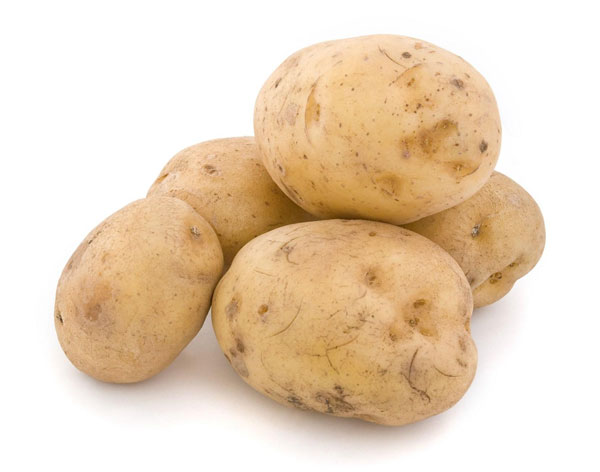
| 8:15 am | The case of the poison potato Frying a potato is a tricky proposition. Doing it right isn’t just about your skill as a cook, but also your partner, the potato itself. Waxy potatoes — high in sugar, low in starch — brown a little too easily as the sugar in them is altered by heat. By the time the interior is cooked through, the exterior is burnt to a crisp. Good potato chips come from starchy potatoes. But to get just the right chip color — that perfect, buttery golden brown — you have to pay attention to a lot of different factors, from the types of sugar found in the potato, to the internal chemistry that happens as the potato sits in a sack post-harvest. In the late 1960s, researchers from the US Department of Agriculture, Penn State University, and the Wise Potato Chip Company teamed up breed a very special potato, which they named the Lenape. More than 30 years later, one of their colleagues still thought fondly of that spud. “Lenape was [wonderful],” Penn State scientist Herb Cole told journalist Nancy Marie Brown in 2003. “It chipped golden.” Yes, the Lenape made a damn fine potato chip. Unfortunately, it was also kind of toxic.
Despite an almost boring reputation as the squishy white bread of the plant kingdom, potatoes actually come from somewhat nasty roots. Their closest relatives are innocuous enough. Potatoes have strong genetic ties to tomatoes and eggplants. But their more distant cousins include tobacco, chili peppers, deadly nightshade, and the hallucinatory drug-producing flower, datura. This is a phylogenetic family that is ready to throw down, chemically speaking. Called Solanaceae, its members are known for producing a wide variety of nitrogen-rich chemical compounds, called alkaloids. Nicotine is an alkaloid. So are caffeine, cocaine, and a host of other plant-derived chemicals that humans have taken a liking to over the millennia. Depending on the dose, and on the specific compound, alkaloids can have effects ranging from medicinal, to far-out crazy hallucinatory, to deadly. Potatoes produce an alkaloid called solanine. All potatoes have it, and it’s a feature, not a bug — at least as far as the potato is concerned. Like a lot of other plant-produced alkaloids, solanine is a natural defense mechanism. It protects the potato from pests. Think of potato blight, the fungus-like disease partly responsible for the Irish Famine of the 19th century. The more solanine a potato contains, the less susceptible it is to blight. When a potato is put into a compromising situation — when it’s young and vulnerable, for instance, or when tubers get uncovered and, thus, more exposed to things that might eat it — solanine production can rev up. Those triggers aren’t always the most convenient for the potato’s human predators. A sudden frost, for instance, can stunt the growth of tubers and promote the growth of vines and leaves, which mimics a younger stage of development and is accompanied by higher solanine concentrations. And if you leave potatoes exposed to the sun for too long after harvest, they start reacting as though they just got accidentally uncovered. They turn green and they produce more solanine. This is actually why you’re not supposed to eat green potatoes. Those spuds, and especially their skins, are rich in solanine. How much solanine varies; it might just be enough to make your stomach a little upset. Or, it could lead to serious illness accompanied by vomiting, diarrhea, loss of consciousness, and convulsive twitching. In very rare cases, people who ate green potatoes have even died.
Poor post-harvest handling was not the problem with the Lenape, however. In 1974, after Lenape potatoes had been recalled from agricultural production and relegated to the status of “breeding material”, the USDA published results of an experiment where they grew Lenape, and five other potato varieties, at 39 locations around the country. They carefully monitored growing and harvesting conditions and then compared the solanine content of all the potatoes. The conclusion: Lenape was genetically predisposed towards producing an extraordinarily high amount of solanine, no matter what happened to it during growth and harvest. The average Russet potato, for instance, contained about 8 mg of solanine for every 100 g of potato. Lenape, on the other hand, was closer to 30 mg of toxin for every 100 g of food. That made it nicely resistant to a lot of agricultural pests. But it also explained why some of the people who were the first to eat Lenapes — most of them breeders and other professionals in the agriculture industry — ended up with severe nausea, like a fast-acting stomach bug. What makes the Lenape really interesting, though, is its legacy as a cautionary tale. I first learned about it from Fred Gould, an entomologist at North Carolina State University, whom I met while I was working on a New York Times Magazine story about genetically modified mosquitoes. He used Lenapes as an example of risk and uncertainty. Often, people frame genetically modified plants as this huge open question — a giant uncertainty, of the sort we’ve never dealt with before. There’s this idea that GM plants are uniquely at risk of producing unexpected side effects, and that we have no way of knowing what those effects would be until average consumers start getting sick, Gould told me. But neither of those things is really true. Conventional breeding, the simple act of crossing one existing plant with another, can produce all sorts of unexpected and dangerous results. One of the reasons Lenape potatoes are so infamous, I later found out, is that they played a big role in shaping how the USDA treats and tests new varieties of conventionally bred food plants today. In fact, from Gould’s perspective, there’s actually a lot more risk and uncertainty with conventional breeding, than there is with genetic modification. That’s because, with GM, you’re mucking about with a single gene. There are a lot more genes in play with conventional breeding, and a lot more ways that surprising genetic interactions could come back to haunt you. “You try breeding potatoes for pest resistance, but you’re bringing in a whole chromosome from a wild potato,” he said. “We’ve found interactions between the wild genomes and the cultivated genomes that actually led to potentially poisonous chemicals in the potato.” In 2004, a National Academies panel on the unintended health effects of genetic engineering reported that conventional potato breeders continue to try to increase the amount of solanine produced by the leaves and vines of their potato plants in hopes of making those plants more naturally pest-resistant. Because of that, the USDA actually has a recommended limit for solanine content of new potato varieties — but that limit isn’t strictly enforced. Gould’s point isn’t that genetic modification is always better than conventional breeding. It’s not. Instead, they’re both tools — imperfect technologies that could produce unintended side effects. Which one you choose to use depends on what you’re trying to do. But, either way, you can’t say that one is scary and one is safe. CREDITS• Photo: REUTERS/Hazir Reka
| ||
| 8:52 am | Veil of secrecy around Manning case makes a public trial "a state secret in plain sight" 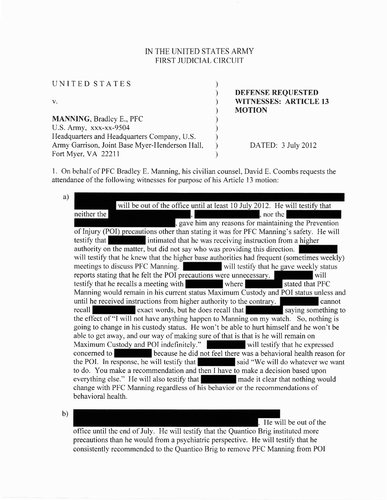 New York Times media columnist David Carr has a piece out today about how reporters covering the pretrial hearings for Pfc. Bradley Manning over the past year have encountered roadblocks in accessing even the most basic information. Even such routine items as "dockets of court activity and transcripts of the proceedings" have been withheld by the government. New York Times media columnist David Carr has a piece out today about how reporters covering the pretrial hearings for Pfc. Bradley Manning over the past year have encountered roadblocks in accessing even the most basic information. Even such routine items as "dockets of court activity and transcripts of the proceedings" have been withheld by the government. "A public trial over state secrets was itself becoming a state secret in plain sight," Carr writes. In response to a flood of FOIAs from reporters and pro-transparency advocates, the court finally agreed at the end of February 2013 to release 84 of the ~400 documents filed in the case; but even those grudgingly-released documents were redacted in ways "that are mystifying at best and at times almost comic," notes Carr. "One of the redacted details was the name of the judge, who sat in open court for months." As an aside, this was the whole point of what Freedom of the Press Foundation was trying to do here.
| ||
| 7:33 am | Hong Kong: court denies migrant domestic workers residency The top court in Hong Kong has ruled that domestic workers may not apply for permanent residency. The case has been fought for two years. The outcome affects some 300,000 domestic workers, mostly from the Philippines and Indonesia, who may spend decades of their lives working in the territory. [BBC News/Thanks Antinous] | ||
| 6:00 am | Tell Me Something I Don't Know: Katie Skelly, creator of Nurse Nurse comic book
This is episode 4 of Boing Boing's newest podcast, Tell Me Something I Don't Know. It's an interview podcast featuring artists, writers, filmmakers, and other creative people discussing their work, ideas, and the reality/business side of how they do what they do. In this episode Jim, Jasen, and Ed interview Katie Skelly, a cartoonist who lives and works in New York City. She has been making mini-comics since 2003, and has contributed to several comic anthologies including the Garo-inspired Secret Prison #7 and Thickness #1. In 2012, Sparkplug Comic Books published her first graphic novel, the Barbarella-esque, psychedelic sci-fi Nurse Nurse. She is currently serializing her girl-biker gang graphic novel, Operation: Margarine, as silkscreen-covered, limited-edition mini-comics. Number 2 debuts at MoCCA 2013. Learn more at her website and follow her on Twitter and Tumbler. TMSIDK produced and hosted by three talented cartoonists and illustrators: Jim Rugg, a Pittsburgh-based comic book artist, graphic designer, zinemaker, and writer best known for Afrodisiac, The Plain Janes, and Street Angel. Jasen Lex is a designer and illustrator from Pittsburgh. He is currently working on a graphic novel called Washington Unbound. All of his art and comics can be found at jasenlex.com. Ed Piskor is the cartoonist who drew the comic, Wizzywig, and draws the Brain Rot/ Hip Hop Family Tree comic strip at this very site, soon to be collected by Fantagraphics Books. Follow TMSIDK on Twitter Subscribe to the Tell Me Something I Don't Know podcast | iTunes | ||
| 5:59 am | |||
| 6:28 am | NY Mag feature on epic NBC "Today" Lauer/Curry cold war is backstab-o-licious  Joe Hagan's New York Magazine feature on the bitter internal conflict behind the smiles of NBC's long-running Today show is a wonderful read, whether or not you give a shit about Today, or network daytime television in general. Joe Hagan's New York Magazine feature on the bitter internal conflict behind the smiles of NBC's long-running Today show is a wonderful read, whether or not you give a shit about Today, or network daytime television in general. I don't want to spoil it for you, but that 9th graf down from the top is the ultimate "oh snap!" of media gossip writing. The piece is full of interesting dirt about Ann Curry, Matt Lauer, and the suits that run NBC, including this little nugget about the network's cockblocking of a compassionate gesture for a woman with cancer at a rival network: "When Robin Roberts left Good Morning America a month later to get treatment for MDS, Curry asked NBC if she could tweet a note of sympathy for the ABC co-host. NBC said no, afraid she was trying to aid the enemy." (Photo: Gillian Laub/NY Magazine) | ||
| 6:38 am | Uber unfairly skimming our tips, say some drivers Mother Jones has an item today on complaints by drivers for "hail a black car/taxi/SUV with your smartphone" company Uber: the company website claims your fare includes a 20% gratuity "for the driver," but one driver told MoJo's Josh Harkinson that "half of that gratuity actually goes to Uber." And if that's true, "the company would be misleading consumers and breaking the law in some cities." | ||
| Sunday, March 24th, 2013 | |||
| 10:59 pm | Independent midwives to march in London today to protest impending shutdown of indie midwifery There are apparently no insurers in the UK willing to extend cover to independent midwives, and so independent midwives and their clients operate in an insurance-free zone, which is risky, but it was apparently a risk everyone was willing to take. However, a new EU regulation mandates that midwives operate with insurance, and once that regulation is implemented locally, it will end the practice of independent midwifery in the UK unless there's some drastic action to create an insurance policy to which independent midwives may subscribe. We had our daughter at home with an NHS midwife, and it was wonderful. Not everyone is lucky enough to live in the cachement of a hospital with midwives who'll help mothers deliver at home (especially now as NHS budgets are being slashed to ribbons across the country). If this rule comes to pass in the UK without any insurance fix, having a baby safely at home will become effectively illegal for families across the country. A silent protest is scheduled for today at the House of Commons:
I can't figure out why insurers can't sort this out. The actuarial data set is robust and well-established. The potential liability, though high, is calculable. If you can get insurance to juggle machetes in Covent Garden (high potential liability, small data set, massive individual variation), why the hell can't indie midwives get cover?
Silent Protest and March
(Thanks, William!)
| ||
| 10:36 am | Arijit "Poop Strong" Guha has died of colon cancer
Arijit "Poop Strong" Guha (Twitter), a really sweet guy who took on a dirty rotten insurance company and stood up to TSA "Flying While Brown" bullying (while wearing a t-shirt designed by Boing Boing's own Cory Doctorow) has died. He was 31, and had metastatic colon cancer. I did not know Arijit in person, but we exchanged a number of internet messages since we met online as cancer-compadres. His wife posted this today to their Facebook page.
Here's a Facebook memorial page for him: "Celebrating Arijit, Life, and Hope." Arijit Guha—rabble rouser, do-gooder, mustache enthusiast—died on March 22, 2013, after a spirited, graceful, and inspirational bout with cancer. His life was one of love, optimism, joy, humor, and compassion, and this page is to celebrate that life. My heart goes out to you, Heather, and to all who knew and loved this kind young man. Fuck cancer. And fuck injustice. Long live love.
(via Arizona Daily Star and @KinkyCancer)
| ||
| 5:52 am | HOWTO bake anatomical heart-bread
Bitchin’ Bread Battle Day 13: Valentine’s Day Anatomical Heart Pull Apart Bread
(via Neatorama)
| ||
| Saturday, March 23rd, 2013 | |||
| 8:06 pm | |||
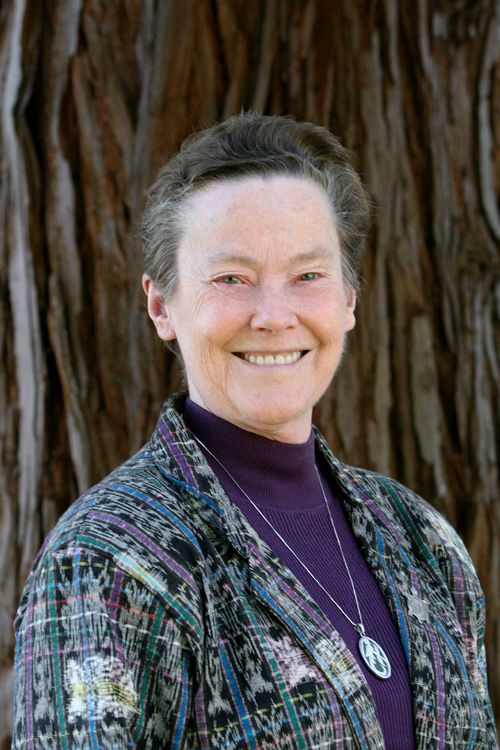
| 5:58 pm | Grandmothers who are brilliant at technology
Shown above, Helen Quinn, "particle physicist, PhD from Stanford in 1967, and grandmother of three young girls." I've never understood why geeks hold their grandmothers in such contempt.
| ||





 Thanks to

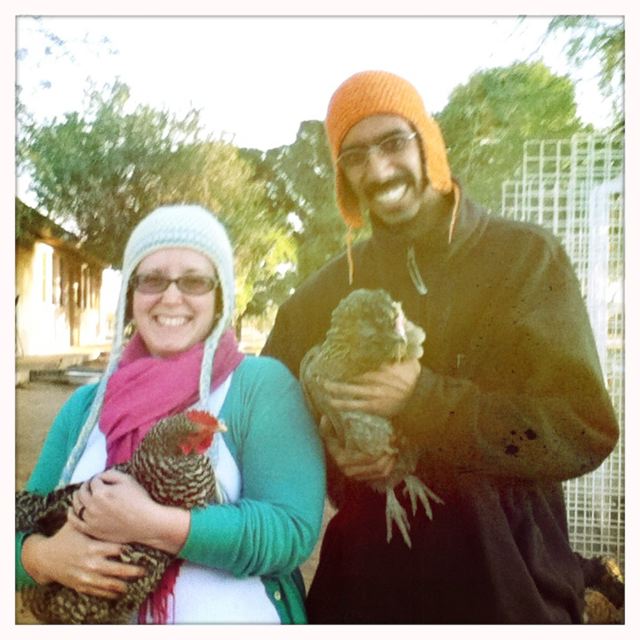 It is with the deepest sadness I have ever known that I share the following: Arijit Guha—the bravest, kindest, most compassionate man to grace this planet—died earlier today. He went peacefully, at home, surrounded by love and free from pain. He lived his life, even up to the very end, with warmth, humor, and positivity, and his boundless capacity for hope and love gives me strength. He will be greatly missed, but I know that his beauty, goodness, and desire to make the world a better place will continue on through all of the people and lives he has touched.